Silicon: The Hidden Ally for Stronger, Healthier and More Productive Crops
Modern agriculture faces increasing challenges, from water scarcity and soil salinity to disease pressure and climate variability. As growers look for sustainable ways to maintain productivity and crop quality, silicon (Si) is emerging as a valuable tool in plant nutrition and stress management. Although not traditionally classified as an essential nutrient, scientific research and field experience have demonstrated that silicon can significantly improve crop performance and resilience.
Why Silicon Matters
Silicon is the second most abundant element in the Earth’s crust, yet only a small portion is available for plant uptake. Plants absorb silicon mainly in the form of monosilicic (orthosilicic) acid through the roots and transport it to leaves and stems via the transpiration stream. Many economically important crops such as rice, wheat, maize, sugarcane, and tomato can accumulate significant amounts of silicon in their tissues.
Under intensive agricultural production, the quantity of silicon removed through harvested crops often exceeds the amount naturally released by the soil. This hidden depletion can limit crop performance over time.
Building Stronger Plants from the Inside
One of silicon’s most important functions is strengthening plant tissues. Once deposited within plant cells, silicon forms a protective layer that improves structural integrity and reinforces cell walls. This results in stronger stems, better plant architecture, and increased resistance to lodging caused by wind or heavy rainfall.
Beyond its structural role, silicon also enhances several physiological processes, helping crops maintain growth and productivity under challenging conditions.
A Natural Shield Against Stress
Environmental stresses are among the largest causes of yield loss worldwide. Silicon has been shown to help plants cope with both abiotic and biotic stresses.
Drought Tolerance
Silicon improves water-use efficiency by reducing excessive transpiration and helping plants maintain physiological functions during water shortages. It also supports root development and antioxidant activity, allowing crops to better withstand periods of limited irrigation.
Salinity Management
In saline environments, silicon helps reduce sodium accumulation in leaves while promoting a healthier nutrient balance. This contributes to improved plant growth and productivity even under salt stress conditions.
Disease and Pest Resistance
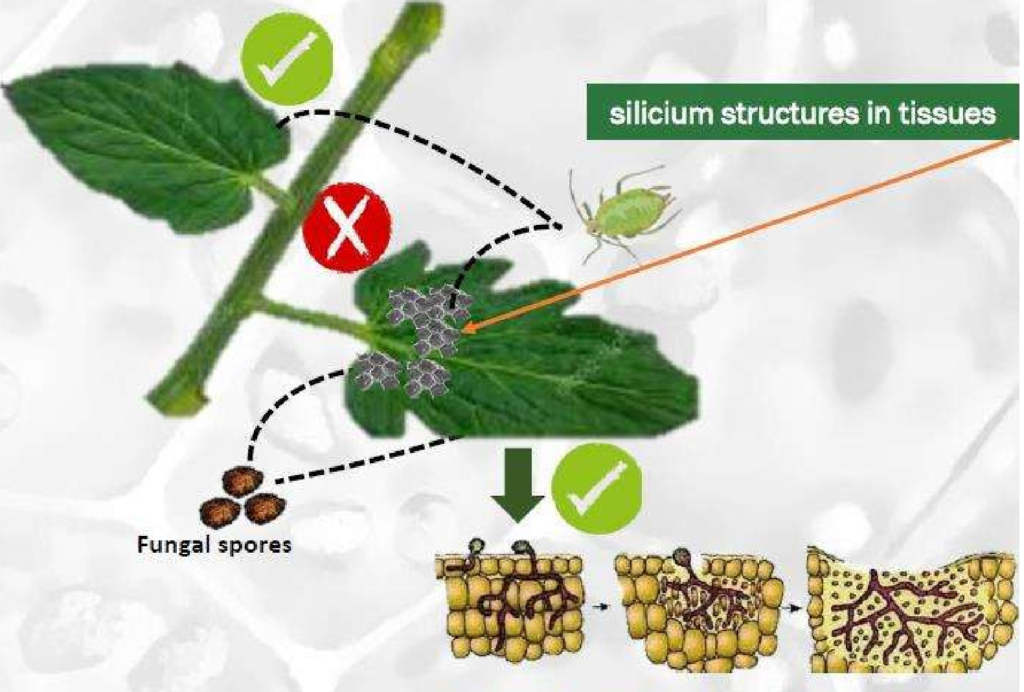
Silicon acts as both a physical and biochemical defense mechanism. It strengthens plant tissues against pathogen penetration while stimulating the production of natural defense compounds such as lignin, polyphenols, and phytoalexins. As a result, crops often show improved resistance to fungal diseases and certain insect pests.
Improving Nutrient Efficiency
Silicon not only protects plants but also supports nutrient uptake. Research shows that silicon can enhance the absorption and utilization of key nutrients such as phosphorus (P), potassium (K), nitrogen (N), and calcium (Ca). It also helps reduce the toxic effects of elements such as manganese (Mn), aluminum (Al), cadmium (Cd), arsenic (As), and zinc (Zn) when present in excessive amounts.
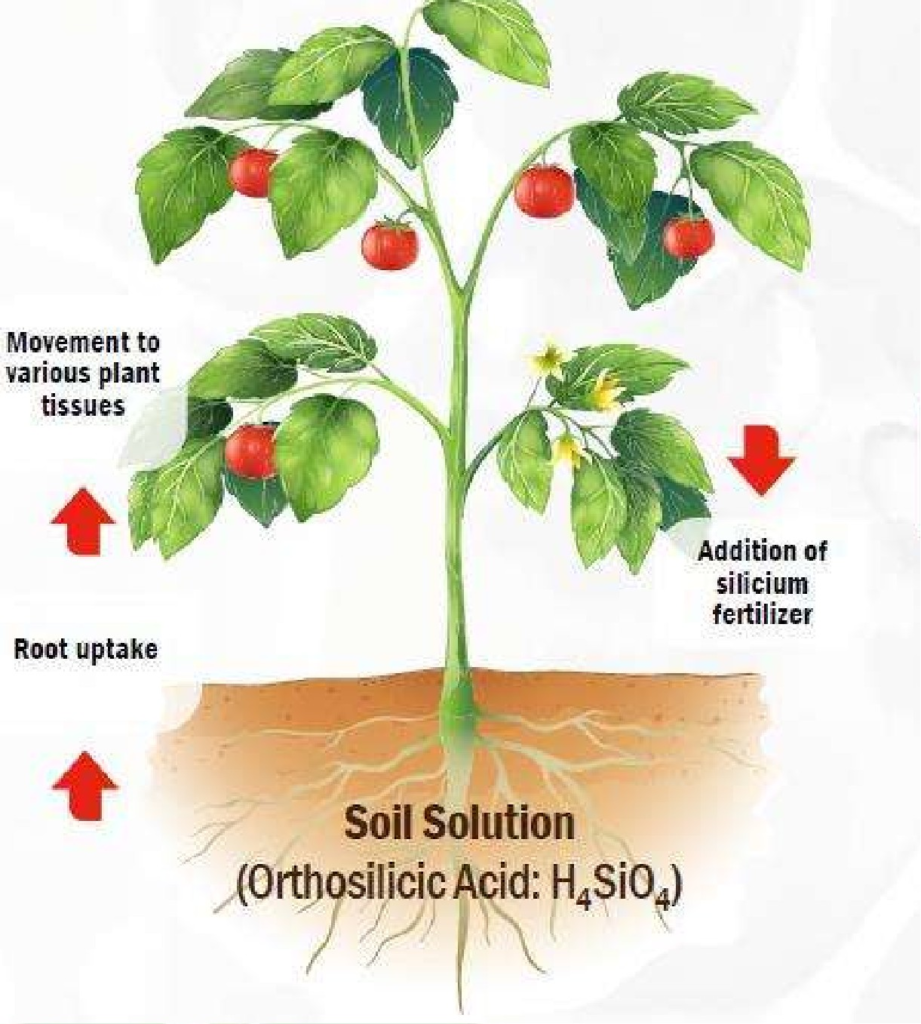
By promoting balanced nutrition, silicon contributes to healthier growth and improved crop quality.
Benefits Across Multiple Crops
The positive effects of silicon have been reported across a wide range of agricultural and horticultural crops:
- Tomato: Improved plant vigor, stronger stems, and better calcium nutrition.
- Cucumber: Better resistance to powdery mildew, increased stress tolerance, and improved yields.
- Pepper: Enhanced fruit firmness, improved fruit quality, and higher productivity.
- Strawberry and berries: Improved disease management, fruit quality, and shelf life.
- Apple, cherry, and citrus: Better yield, fruit quality, and storage performance.
- Wheat and maize: Increased productivity and improved tolerance to drought and salinity stress.
The Future of Silicon in Crop Nutrition
As agriculture continues to evolve toward more sustainable and efficient production systems, silicon is becoming an increasingly important component of modern nutrition programs. New technologies, including stabilized silicic acid formulations and innovative silicon fertilizers, are making this beneficial element more accessible and effective than ever before.
For growers seeking to improve crop resilience, optimize nutrient efficiency, and maximize yield potential, silicon offers a practical and science-backed solution.
Featured Fertimed Solutions
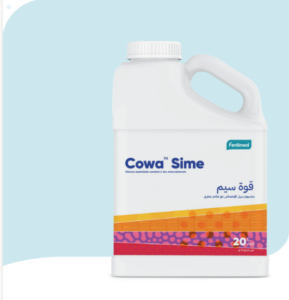
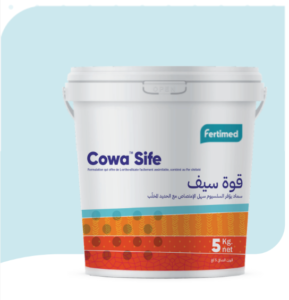
| CowaTM Sime | CowaTM Sife |
| Silicon + Chelated Micronutrients Strengthens plant tissues, improves nutrient balance, and enhances crop resilience. | Ortho-Silicate + Chelated Iron Combines the benefits of silicon and iron nutrition to support vigorous growth, better stress tolerance, and improved crop performance. |
 |  |